
Say Cheese: How to Choose the Right Mozzarella for Your Pizza Menu
Mozzarella is the most used ingredient on a pizza menu after the base and the sauce – and it’s one of the most consistently under-thought. Most operators choose a mozzarella and stick with it indefinitely without really understanding how it’s affecting the finished product.
The right mozzarella choice can significantly improve the eating experience your customers have. The wrong one can undermine an otherwise excellent base and sauce.
Here’s what actually matters when you’re making this decision and how to pick the best mozzarella for pizza.
Fresh vs Pre-Shredded
This is the single most impactful decision you’ll make on mozzarella. Pre-shredded mozzarella contains anti-caking agents – typically cellulose – that prevent the shreds from clumping in the bag. Those same agents interfere with how the cheese melts in the oven.
Pre-shredded mozzarella tends to melt unevenly, can develop a slightly rubbery texture and lacks the creamy, flowing melt that makes a great pizza visually appealing and satisfying to eat.
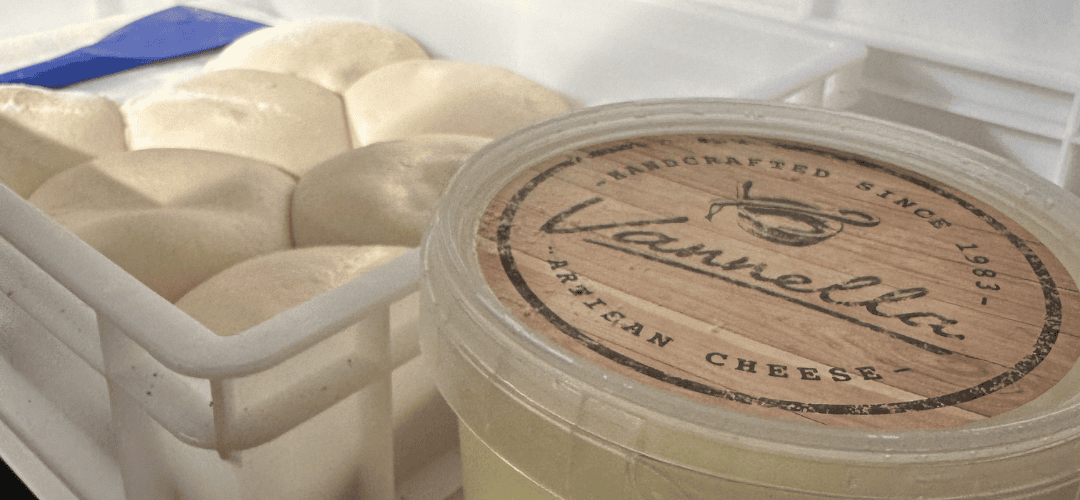
Fresh mozzarella – particularly cheese sold in brine or water – has higher moisture content, melts more evenly and produces the smooth, gooey finish that customers associate with a quality pizza.
For most commercial kitchens the upfront convenience of pre-shredded comes at a real cost to the finished product. Fresh mozzarella portioned by your team takes marginally more time but delivers a meaningfully better result on the plate.
Milk Type: Cow, Buffalo or Goat?
Cow’s milk mozzarella is the most common and most versatile. It has a mild, creamy flavour that works across a wide range of topping combinations without competing or clashing. It’s the reliable foundation that most commercial pizza menus are built on.
Buffalo milk mozzarella (Fior di Latte di Bufala) is richer, more complex and more intensely flavoured. It’s a premium product that commands a premium price point and works well as a feature ingredient on a showcase pizza. If you’re building a high-end pizza menu or want to create a signature offering that stands out, buffalo mozzarella is worth the investment on select items.
Goat’s milk mozzarella has a tangier, more distinctive flavour profile. It’s not for every menu but can be a genuinely interesting point of difference for operators looking to offer something unexpected.
Moisture Content and Your Oven
The moisture content of your mozzarella needs to match your cooking environment.
High moisture mozzarella releases more water during cooking. In a high-temperature oven with a short cook time this works perfectly – the moisture evaporates quickly and you get a beautifully melted, creamy result. In a lower-temperature oven with a longer bake, the same cheese can make your pizza soggy.
Low moisture mozzarella is aged and contains less water. It melts more slowly and doesn’t release as much liquid, making it the better choice for longer bake times, lower oven temperatures and pizzas with heavier topping loads.
Matching your cheese moisture content to your oven temperature and cook time is one of the simplest adjustments you can make to immediately improve your pizza consistency.
Quality Signals Worth Looking For
When evaluating mozzarella suppliers look for:
- Cheese made from quality milk without artificial additives or preservatives
- Consistent moisture content from batch to batch – inconsistency in the cheese creates inconsistency on the plate
- Good shelf life that works with your ordering and storage cycle
- Suppliers who can tell you clearly where their milk comes from and how the cheese is made
A reliable, consistent mozzarella from a quality supplier is worth paying more for than a cheaper product that varies between deliveries.
The Combination That Works
For most commercial pizza operations, the combination that delivers the best balance of quality, cost and consistency is fresh cow’s milk mozzarella portioned in-house, matched to the moisture level that suits your oven temperature. It’s not the cheapest option but it’s the one that produces the result your customers will come back for.
Questions about ingredient choices for your pizza menu? Reach out at buvetti.com.au.